
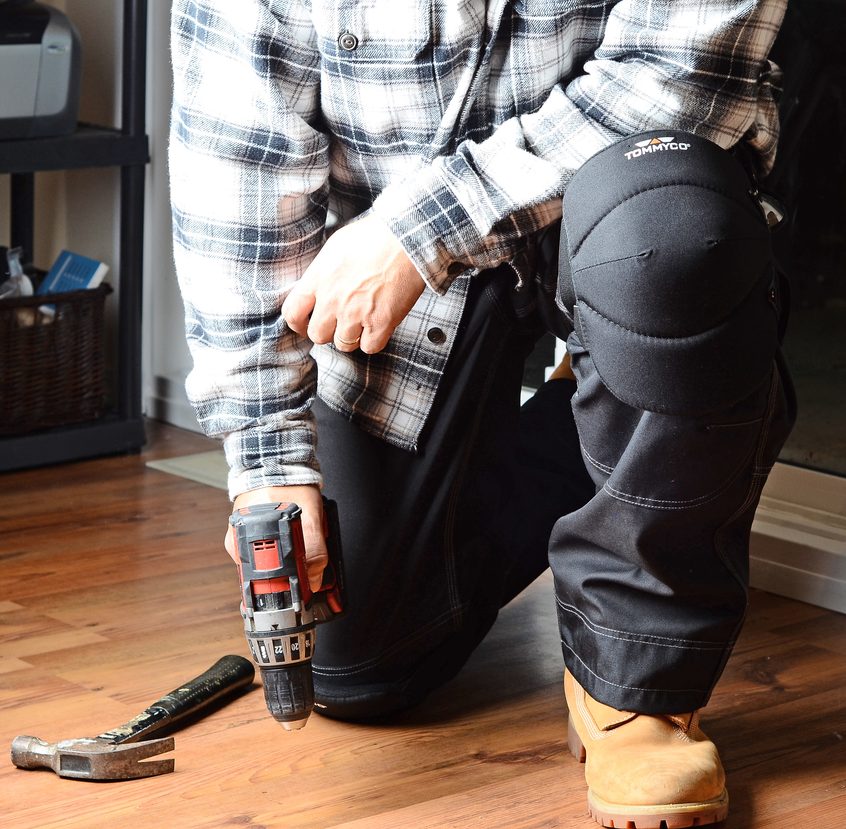
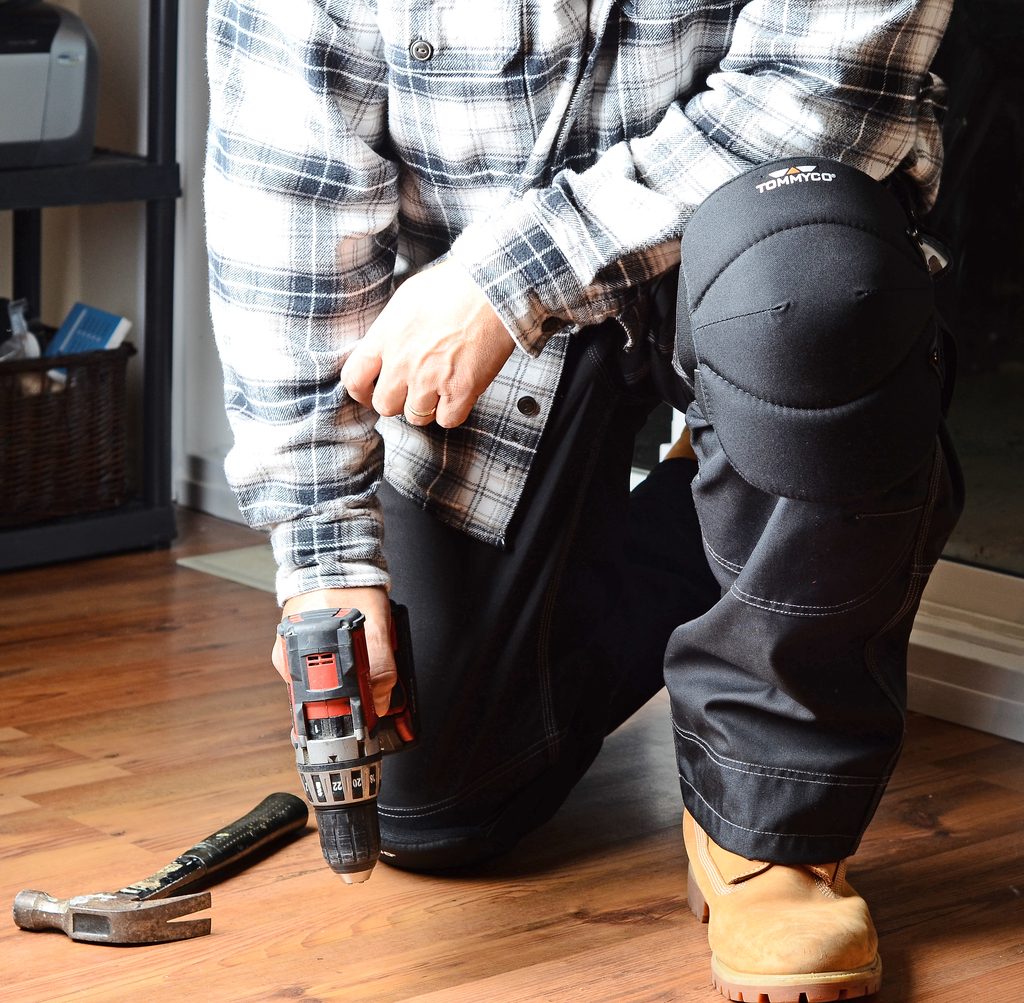
When your job requires spending hours on your knees, the right knee pad can make a significant difference in comfort, protection, and productivity. Whether you work on concrete, tile, gravel, finished flooring, or soil, not every knee pad is designed for the same conditions.
A knee pad that performs well on a construction site may not be the best choice for installing delicate flooring. Likewise, a lightweight pad designed for gardening may not provide the durability needed for demanding trade work.
The key is matching your knee protection to the surface, working conditions, and type of work you do.
In this guide, we’ll compare the main categories of knee protection—including rough-terrain, hard-terrain, delicate-surface, general-purpose knee pads, and garden kneelers—and explain what to look for when choosing the right option.
Why Choosing the Right Knee Pad Matters
Kneeling for extended periods puts repeated pressure on the knees. Hard surfaces such as concrete and tile can be particularly demanding because they provide little natural cushioning.
The right knee pad should do more than simply add padding. Depending on the application, effective knee protection can help provide:
- Cushioning between your knees and the work surface
- Protection from sharp or uneven surfaces
- Greater comfort during extended kneeling
- Stability while working
- Protection for clothing and workwear
- Better suitability for specific jobsite conditions
Different trades also place different demands on knee protection. A flooring installer may need a smooth outer surface that is gentle on finished floors, while a construction worker working outdoors may need a more rugged exterior designed for gravel, dirt, and uneven terrain.
That’s why selecting a knee pad based on the actual working environment is important.
The Main Types of Knee Pads
There isn’t one knee pad that is perfect for every application. Knee protection can generally be divided into several categories based on the terrain and surface where it will be used.
1. Hard-Terrain Knee Pads
Hard-terrain knee pads are designed for demanding surfaces such as:
- Concrete
- Asphalt
- Brick
- Stone
- Hard construction surfaces
- Other unforgiving work areas
These environments provide very little natural cushioning. A suitable knee pad therefore needs substantial protection and cushioning while remaining stable during movement.
Hard-terrain protection can be especially useful for trades where kneeling is a regular part of the job, including construction, concrete work, masonry, and certain installation applications.
When evaluating a hard-terrain knee pad, consider the amount of cushioning, durability of the outer shell, stability, and overall fit.
2. Rough-Terrain Knee Pads
Outdoor jobs can introduce a different set of challenges.
Gravel, dirt, rocks, uneven ground, and construction debris can create pressure points and sharp contact areas. A rough-terrain knee pad should therefore be designed with durability and protection in mind.
Rough-terrain applications may include:
- Construction
- Landscaping
- Outdoor maintenance
- Utility work
- Roofing
- General outdoor trades
An outer shell with good abrasion resistance can be particularly useful in these conditions. A stable design can also help prevent the knee pad from shifting as you move across uneven ground.
If you regularly move between hard surfaces and rough outdoor terrain, a versatile knee pad may be more practical than carrying multiple types of protection.
3. Delicate-Surface Knee Pads
Not every work surface can tolerate a rugged knee pad.
Flooring professionals and installers may work on surfaces that are finished, polished, newly installed, or otherwise susceptible to scratches and marks. In these situations, the knee pad itself needs to be considered as part of the surface-protection equation.
Delicate-surface applications can include:
- Finished flooring
- Hardwood
- Vinyl
- Tile
- Newly installed surfaces
- Other finished interiors
A knee pad for delicate surfaces should have an exterior designed to minimize unwanted contact with the floor.
For flooring professionals, it’s important to consider both knee protection and floor protection when selecting equipment.
4. General-Purpose Knee Pads
If your work takes you across multiple surfaces, a general-purpose knee pad can provide a useful balance between protection, comfort, and versatility.
General-purpose knee pads may be suitable for:
- Home improvement
- Maintenance
- Carpentry
- Installation
- Plumbing
- Electrical work
- General construction
- DIY projects
The advantage of a general-purpose design is flexibility. Instead of choosing a specialized pad for every job, you can use one option across a range of everyday applications.
However, if you regularly work in particularly harsh conditions or on delicate finished surfaces, a specialized knee pad may still be more appropriate.
Garden Kneelers: A Different Approach to Knee Protection
Gardening presents its own set of challenges.
Gardeners frequently kneel on soil, grass, mulch, and other outdoor surfaces. They may also spend long periods moving between kneeling, standing, and crouching.
Garden kneelers can provide an alternative to traditional strapped knee pads. Depending on the design, a garden kneeler may offer a larger area of cushioning and can be particularly convenient for repeated gardening tasks.
They’re useful for activities such as:
- Planting
- Weeding
- Pruning
- Vegetable gardening
- Landscaping
- Yard maintenance
When choosing garden knee protection, consider portability, cushioning, water resistance, and how easily the product can be cleaned after working outdoors.
Knee Pad Selection: What Should You Look For?
Once you know the type of surface you’ll be working on, there are several other factors to consider.
Fit
A knee pad should stay in position without becoming excessively uncomfortable.
An incorrect fit can allow the pad to shift while you’re working, reducing the protection it provides. Look for a design that accommodates your movement while keeping the protective area correctly positioned over the knee.
Strap Style
The strap system can have a significant effect on comfort and stability.
Consider:
- How easily the straps can be adjusted
- Whether they stay secure during movement
- Where the straps sit on your leg
- Whether they create pressure points
- How easy they are to put on and remove
For professionals who wear knee pads throughout the workday, strap comfort becomes especially important.
Padding Material
Padding is one of the most important components of a knee pad.
Different materials can provide different combinations of cushioning, resilience, and comfort. The ideal choice depends on how long you kneel, how hard the surface is, and how demanding your work environment is.
If your job involves prolonged kneeling on concrete or other hard surfaces, prioritize a knee pad designed for sustained impact and pressure.
Water Resistance
Outdoor workers should also consider moisture.
Rain, wet soil, damp concrete, and other conditions can expose knee protection to water and mud. Water-resistant materials can make equipment easier to maintain and may help it perform more consistently in changing conditions.
For gardening and outdoor work, water resistance can be particularly useful.
Anti-Slip Outer Shells
A knee pad needs to stay where you put it.
An anti-slip outer surface can help provide stability when kneeling or moving across certain surfaces. This can be especially valuable when working on smooth or uneven materials.
However, the appropriate outer material depends on the application. A rugged exterior suitable for rough construction conditions may not be appropriate for a finished floor.
Comparing Knee Pads by Work Surface
One of the easiest ways to choose knee protection is to start with the surface you’ll be working on.
| Work Surface | Suitable Knee Pad Category | Important Features |
|---|---|---|
| Concrete | Hard-terrain | Cushioning, durability, stability |
| Gravel | Rough-terrain | Protection, rugged exterior, secure fit |
| Tile | Hard/general-purpose or delicate-surface depending on finish | Cushioning, surface protection |
| Finished flooring | Delicate-surface | Smooth/protective exterior, comfort |
| Soil | Garden kneeler or outdoor knee pad | Cushioning, water resistance, easy cleaning |
| Mixed surfaces | General-purpose | Versatility, comfort, adjustable fit |
The right choice ultimately depends on the combination of surface, trade, and amount of time spent kneeling.
Knee Pads for Different Trades
Different professionals have different requirements.
Flooring Professionals
Flooring installers often spend significant amounts of time kneeling while measuring, cutting, positioning, and installing materials.
A suitable knee pad should balance strong knee protection with a surface that won’t unnecessarily damage or mark finished flooring.
Construction Workers
Construction environments can involve concrete, gravel, debris, and constantly changing surfaces.
Durability, stability, and protection are particularly important when choosing knee protection for these conditions.
Carpenters
Carpenters may move between workshops, construction sites, unfinished floors, and finished interiors.
A versatile general-purpose knee pad can be useful when the working environment changes throughout the day.
Plumbers and Electricians
Plumbing and electrical work can involve extended periods of kneeling in confined spaces.
Comfort and fit become especially important because workers may need to maintain a kneeling position while using tools or accessing difficult areas.
Landscapers and Gardeners
Outdoor workers encounter soil, gravel, grass, rocks, moisture, and uneven terrain.
For these applications, look for protection that combines durability with resistance to outdoor conditions.
Tommy Co Knee Protection for Different Applications
At Tommy Co, knee protection is designed with the realities of demanding work environments in mind.
The company’s patented designs can be considered when selecting knee protection for different applications, from demanding jobsite conditions to work that requires greater consideration for the surface underneath you.
When comparing Tommy Co products, consider the specific application first. Think about where you’ll be working, how long you’ll be kneeling, and what type of surface you’ll encounter.
For shoppers ready to compare available options, explore the Tommy Co knee protection collection and review the specifications of individual products to determine which design best fits your work.
Field-Test Style Comparison: What Matters on the Job
A knee pad can look impressive on a product page, but real-world performance depends on the conditions in which it’s used.
When comparing knee pads, consider testing them across several factors.
Comfort Over Time
Don’t judge comfort after just a few minutes.
If your work involves several hours of kneeling, consider how the knee pad performs after extended use. Look for consistent cushioning and a fit that doesn’t create unnecessary pressure.
Stability During Movement
Kneeling isn’t always stationary.
Tradespeople frequently move, stand, crouch, walk, and kneel repeatedly. A knee pad that shifts significantly during these movements may become less effective and more frustrating to use.
Surface Compatibility
Test the knee pad on the surfaces where you actually work.
A rugged exterior may perform well outdoors but could be inappropriate for delicate finished flooring. Conversely, a smooth surface designed for interior work may not provide the durability needed for gravel or debris.
Durability
Work environments can be hard on equipment.
Look for construction and materials appropriate to your working conditions, especially if t
The Bottom Line: Match Your Knee Pad to the Job
The best knee pad for you depends largely on where and how you work.
For concrete and other hard surfaces, focus on cushioning, durability, and stability. For gravel and rough terrain, prioritize rugged protection and a secure fit. For finished flooring, look for knee protection designed with surface protection in mind. For gardening and soil, consider a garden kneeler or outdoor-focused option. And if your work takes you across many environments, a general-purpose knee pad may provide the versatility you need.
Most importantly, don’t choose knee protection based solely on appearance or padding thickness. Consider the surface, duration of use, mobility, fit, materials, and conditions you’ll encounter on the job.
With the right knee pad, you can approach demanding kneeling tasks with equipment designed for the environment you’re working in.
Ready to find the right knee protection for your work? Explore Tommy Co’s range of knee protection and compare designs based on your specific job, surface, and working conditions.